Education has evolved significantly over the past decade, shifting from traditional teacher-led instruction to learning models that place students at the center of the educational experience. Today’s classrooms are designed to encourage active participation, independent thinking, collaboration, and lifelong learning. Rather than simply delivering information, educators now guide students in exploring concepts, solving problems, and developing essential life skills.
Building Student Centered Learning Environments is a teaching approach that prioritizes students’ needs, interests, learning styles, and abilities. It empowers learners to take ownership of their education while encouraging curiosity, creativity, and critical thinking. When students become active participants in the learning process, they develop greater confidence, motivation, and academic achievement.
Educational institutions that adopt student-centered learning create inclusive classrooms where every learner has the opportunity to succeed. This approach not only improves academic performance but also prepares students for higher education, professional careers, and a rapidly changing world.
Why Building Student Centered Learning Environments Matters
Modern education is no longer focused solely on memorization or standardized instruction. Students need learning experiences that help them apply knowledge, think independently, and collaborate effectively.
Building Student Centered Learning Environments offers several important benefits, including:
- Higher student engagement
- Improved academic performance
- Stronger critical thinking skills
- Increased classroom participation
- Better collaboration among students
- Greater confidence and independence
- Enhanced problem-solving abilities
- Improved communication skills
Student-centered learning creates meaningful educational experiences that encourage continuous growth and lifelong learning.
Building Student Centered Learning Environments Through Personalized Learning
Every student has unique strengths, interests, and learning preferences. Personalized learning recognizes these differences and adapts instruction to meet individual needs.
Flexible Learning Paths
Instead of expecting every student to learn in the same way, educators can provide multiple learning pathways that accommodate different learning styles and abilities.
Students may learn through:
- Interactive discussions
- Project-based activities
- Digital learning resources
- Collaborative group work
- Independent research
- Hands-on experiences
Offering flexible learning opportunities increases student engagement and supports deeper understanding.
Individual Learning Goals
Teachers can work with students to establish realistic academic goals based on their abilities and progress.
Regular feedback helps students monitor their development while encouraging continuous improvement.
Creating Active Learning Experiences
Student-centered classrooms encourage learners to participate actively rather than passively receiving information.
Project-Based Learning
Students solve real-world problems through research, collaboration, and practical application of knowledge.
Project-based learning develops creativity, teamwork, and analytical thinking.
Inquiry-Based Learning
Instead of simply providing answers, teachers encourage students to ask questions, investigate topics, and discover solutions independently.
This approach strengthens curiosity and research skills.
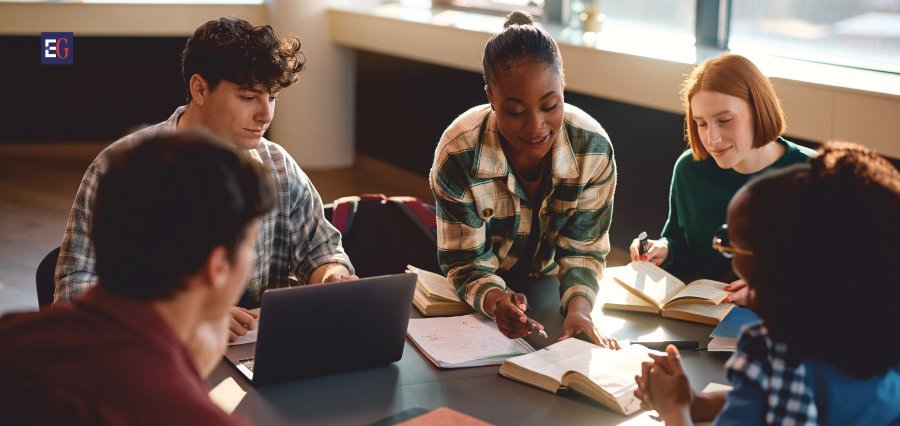
Collaborative Learning
Working in teams allows students to exchange ideas, develop communication skills, and learn from one another.
Collaboration also prepares students for modern workplaces where teamwork is essential.
Building Student Centered Learning Environments Through Technology
Technology has become an important tool in supporting student-centered education.
Digital learning platforms provide students with flexible access to educational resources while allowing teachers to personalize instruction.
Educational technology supports learning through:
- Learning management systems
- Interactive educational applications
- Virtual classrooms
- Educational videos
- Digital assessments
- Online collaboration tools
- Artificial intelligence-powered learning support
Technology enables students to learn at their own pace while providing educators with valuable insights into academic progress.
The Role of Teachers in Student-Centered Learning
Although student-centered learning emphasizes learner participation, teachers remain essential to the educational process.
Rather than acting solely as lecturers, educators become facilitators who guide students throughout their learning journey.
Encouraging Independent Thinking
Teachers encourage students to analyze information, evaluate evidence, and develop their own conclusions rather than memorizing facts.
This strengthens critical thinking and decision-making skills.
Providing Constructive Feedback
Regular, meaningful feedback helps students understand their strengths while identifying opportunities for improvement.
Feedback should encourage growth rather than simply evaluating performance.
Supporting Inclusive Classrooms
Effective educators recognize that every learner brings different experiences and abilities into the classroom.
Inclusive teaching practices ensure that all students have equal opportunities to participate and succeed.
Student Engagement Drives Academic Success
Student engagement plays a key role in improving learning outcomes.
Educators can increase engagement by:
- Connecting lessons to real-life situations
- Encouraging classroom discussions
- Offering meaningful choices
- Using interactive learning activities
- Recognizing student achievements
- Creating supportive learning environments
Students who feel valued and involved develop greater motivation to learn.
Assessment in Student-Centered Learning
Assessment should always support learning instead of measuring it.
Modern assessment strategies include:
Formative Assessment
Regular quizzes, discussions, assignments, and classroom activities help teachers monitor student understanding throughout the learning process.
Self-Assessment
Students evaluate their own progress, encouraging responsibility and self-reflection.
Peer Assessment
Students provide constructive feedback to classmates, promoting collaboration and deeper understanding.
These assessment methods focus on continuous improvement instead of relying solely on final examinations.
Building Essential Skills for the Future
Student-centered learning prepares learners for success beyond the classroom.
Key skills developed include:
- Critical thinking
- Communication
- Collaboration
- Creativity
- Leadership
- Digital literacy
- Problem-solving
- Adaptability
- Time management
These competencies are increasingly valued by universities, employers, and industries around the world.
Challenges in Building Student-Centered Learning Environments
While the benefits are significant, schools may face several implementation challenges.
Common challenges include:
- Limited classroom resources
- Large class sizes
- Teacher training needs
- Curriculum constraints
- Technology access limitations
- Resistance to educational change
Addressing these challenges requires investment in professional development, educational technology, and supportive school leadership.
Best Practices for Building Student Centered Learning Environments
Educational institutions can successfully implement student-centered learning by following several proven practices.
Create a Positive Learning Culture
Encourage respect, collaboration, and open communication where students feel comfortable expressing ideas.
Encourage Student Voice
Allow students to contribute to discussions, learning activities, and classroom decision-making whenever appropriate.
Differentiate Instruction
Adapt teaching methods to accommodate different learning styles, interests, and abilities.
Use Technology Purposefully
Digital tools should enhance learning outcomes rather than replace meaningful teacher-student interaction.
Promote Continuous Reflection
Encourage students to reflect on their learning experiences and identify strategies for ongoing improvement.
The Future of Student-Centered Education
Education continues to evolve alongside advances in technology and research.
Future classrooms are expected to include:
- Artificial intelligence-supported learning
- Personalized digital learning pathways
- Virtual and augmented reality experiences
- Collaborative online learning communities
- Data-informed teaching strategies
- Competency-based education models
These innovations will further strengthen student-centered education while improving accessibility and learning outcomes.
Conclusion
Building Student Centered Learning Environments is transforming education by placing students at the heart of the learning process. Through personalized instruction, active participation, collaboration, and meaningful assessment, educators can create classrooms that inspire curiosity, independence, and lifelong learning.
As educational institutions prepare students for an increasingly complex world, adopting student-centered practices will remain essential for academic excellence and personal development. By combining effective teaching strategies, inclusive learning environments, and purposeful technology integration, schools can empower every learner to achieve their full potential.
Ultimately, Building Student Centered Learning Environments creates educational experiences that extend beyond academic achievement, preparing students with the knowledge, confidence, and skills needed for future success.
Frequently Asked Questions (FAQs)
1. What are student-centered learning environments?
Student-centered learning environments are educational settings where teaching focuses on students’ needs, interests, abilities, and active participation rather than traditional teacher-led instruction.
2. Why is student-centered learning important?
Student-centered learning improves engagement, critical thinking, collaboration, academic achievement, and prepares students with skills needed for higher education and future careers.
3. How can teachers create student-centered classrooms?
Teachers can create student-centered classrooms by encouraging collaboration, personalizing instruction, promoting active learning, providing regular feedback, and using technology to support diverse learning needs.
4. What role does technology play in student-centered learning?
Technology supports personalized instruction, flexible learning, interactive activities, online collaboration, digital assessments, and improved communication between teachers and students.
5. What skills do students develop through student-centered learning?
Students develop critical thinking, communication, collaboration, creativity, leadership, digital literacy, adaptability, problem-solving, and self-directed learning skills, all of which are valuable for academic and professional success.