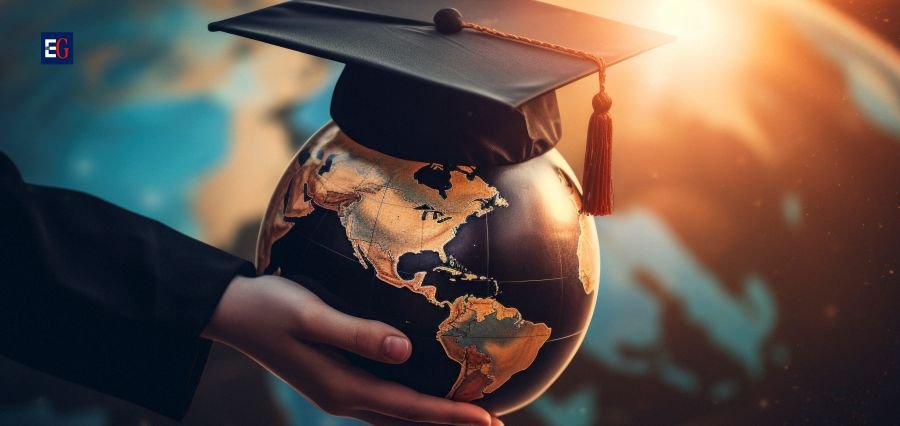
Education plays a crucial role in economic growth, innovation, and social development. Countries with highly educated populations often benefit from stronger economies, higher productivity, better healthcare outcomes, and greater technological advancement. While education can be measured in several ways, rankings typically consider factors such as tertiary education attainment, literacy rates, years of schooling, and access to higher education.
Here are 10 of the most educated countries in the world, based on higher education participation and educational attainment levels.
1. Canada
Canada consistently ranks among the world’s most educated countries, with a very high percentage of adults holding tertiary education qualifications. The country invests heavily in education and maintains internationally respected universities.
Strong immigration policies and an emphasis on skilled labor also contribute to Canada’s highly educated workforce.
2. South Korea
South Korea has built one of the world’s most competitive education systems. The country places a strong cultural emphasis on academic achievement and higher education.
Its highly skilled workforce has played a major role in the country’s rapid economic development and technological leadership.
3. Japan
Japan is widely recognized for its high educational standards and strong student performance in mathematics and science.
The country’s focus on discipline, research, and technical education supports its position as a global leader in manufacturing and innovation.
4. Ireland
Ireland has experienced significant growth in higher education participation over recent decades. Investments in universities and research institutions have contributed to a highly skilled workforce.
The country’s thriving technology and pharmaceutical sectors benefit from this strong educational foundation.
5. Switzerland
Switzerland combines world-class universities with an exceptional vocational education and apprenticeship system.
This balanced approach helps prepare students for both academic and professional careers while supporting one of the world’s strongest economies.
6. Singapore
Singapore has transformed itself into a global education hub through strategic investments in schools, universities, and research institutions.
Its education system consistently performs well in international assessments and supports the country’s knowledge-based economy.
7. United Kingdom
The United Kingdom is home to some of the world’s oldest and most prestigious universities and attracts students from across the globe.
Strong academic traditions and extensive research output contribute to its reputation for educational excellence.
8. Australia
Australia has one of the highest rates of university participation and international student enrollment in the world.
Its education sector is a major contributor to the national economy and plays a key role in developing a highly skilled workforce.
9. United States
The United States hosts many of the world’s leading universities and research institutions.
Its higher education system supports innovation, entrepreneurship, and scientific advancement across numerous industries.
10. Finland
Finland is internationally recognized for its high-quality education system and student-centered learning approaches.
The country consistently performs well in international educational comparisons and emphasizes equal access to learning opportunities.
What Makes a Country Highly Educated?
Several factors contribute to a nation’s educational success:
- High literacy rates
- Strong public investment in education
- Access to affordable higher education
- Quality teaching standards
- Research and innovation funding
- Lifelong learning opportunities
- Effective vocational training programs
Countries that perform well in these areas often develop highly skilled workforces capable of adapting to changing economic demands.
Why Education Matters for Economic Growth
Education supports economic development by increasing productivity, encouraging innovation, and improving workforce competitiveness.
Highly educated populations tend to experience:
- Higher average incomes
- Lower unemployment rates
- Greater entrepreneurial activity
- Improved healthcare outcomes
- Increased social mobility
For governments and businesses alike, investing in education remains one of the most effective strategies for long-term prosperity.
Conclusion
The world’s most educated countries demonstrate the value of investing in accessible, high-quality education systems. From Canada’s strong university participation rates to Finland’s innovative teaching methods and Singapore’s emphasis on excellence, these nations provide valuable examples for others seeking to strengthen their educational systems.
As the global economy becomes increasingly knowledge-driven, education will continue to play a central role in shaping national competitiveness, innovation, and quality of life.