
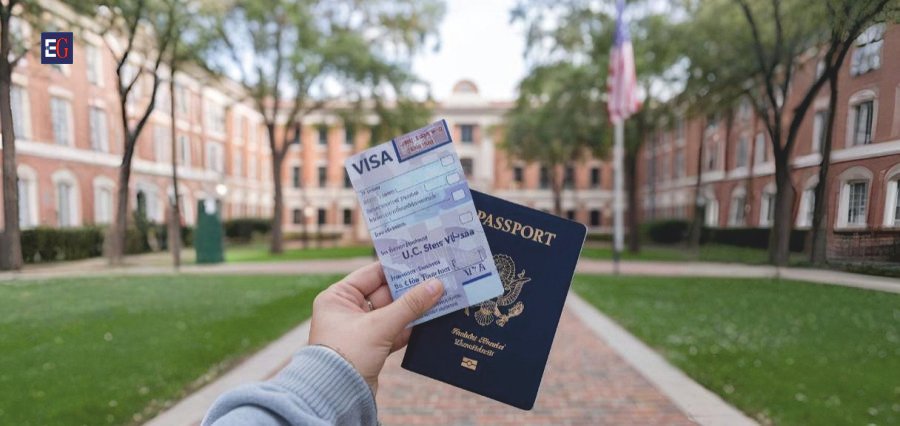
The administration of U.S. President Donald Trump is reportedly considering a proposal that would require international students to pay a $100,000 fee if they wish to remain in the United States for employment after completing their studies. If implemented, the measure would represent one of the most significant financial changes to post-graduation work opportunities for foreign students in recent years.
According to The Hindu BusinessLine, the proposal is still under discussion and has not been officially announced or implemented. Reports indicate that the fee would apply to international graduates seeking authorization to work in the United States after earning their degrees, although the exact structure and eligibility requirements have not yet been finalized.
The reported proposal has drawn attention from universities, education consultants, and international student groups because of its potential impact on the affordability of studying in the United States. Many international students already face substantial expenses, including tuition, housing, health insurance, and visa-related costs. An additional six-figure fee could significantly influence students’ decisions about where to pursue higher education.
The United States remains one of the world’s most popular destinations for international education, attracting hundreds of thousands of students each year. The opportunity to gain professional work experience after graduation has long been considered one of the country’s major attractions for overseas students.
Universities and Students Could Face Major Consequences
Education experts say a substantial post-graduation work fee could affect both prospective students and U.S. universities.
Many international students choose American universities not only for academic quality but also for opportunities to gain work experience before returning home or pursuing long-term careers. A significant increase in post-study employment costs could encourage students to consider alternative destinations such as Canada, the United Kingdom, Australia, or Germany, where post-graduation work pathways may be more affordable.
Universities could also be affected if fewer international students decide to enroll. International students contribute billions of dollars annually to the U.S. economy through tuition, housing, and living expenses while also supporting research, innovation, and workforce development.
Business groups have previously emphasized the importance of international graduates in sectors such as technology, engineering, healthcare, finance, and scientific research. Many employers rely on highly skilled international graduates to fill positions where qualified talent remains in short supply.
While the proposal has generated widespread discussion, its future remains uncertain. Any policy changes would likely require further administrative review and could face legal or political challenges before taking effect.
Proposal Reflects Ongoing Debate Over Immigration and Skilled Talent
The reported proposal is part of a broader national debate over immigration policy and the role of international students in the U.S. economy.
Supporters of stricter immigration policies argue that changes to work authorization programs could encourage employers to prioritize hiring U.S. workers. Critics, however, contend that international graduates often possess specialized skills that strengthen innovation, research, entrepreneurship, and economic growth.
For students currently studying in the United States or planning future enrollment, there is no confirmed policy change at this time. Existing immigration and post-graduation work rules remain in effect unless and until the U.S. government formally announces and implements new regulations.
Education advisers recommend that prospective students continue monitoring official announcements from U.S. government agencies and their universities rather than making decisions based solely on preliminary reports.
If introduced, the proposal would represent a major shift in U.S. international education policy and could influence global student mobility, university enrollment trends, and the competition among countries seeking to attract highly skilled international talent. Until further details are released, however, the reported $100,000 fee remains under consideration rather than official U.S. policy.