
Introduction
Education has undergone a remarkable transformation over the past decade. What was once limited to traditional classrooms, textbooks, and face-to-face instruction has evolved into a more dynamic and accessible learning environment. Advances in digital tools, online platforms, and artificial intelligence have created new opportunities for students, educators, and institutions around the world.
As schools, universities, and training organizations continue to adapt to changing learning needs, transforming education through technology has become a major focus. Technology is no longer viewed as an optional addition to the learning process. Instead, it is helping educators deliver personalized experiences, improve accessibility, and prepare students for a future that is increasingly driven by digital innovation. In 2026, technology continues to play a critical role in shaping the future of education.
Here’s How Transforming Education Through Technology Is Reshaping Learning
Technology has fundamentally changed the way knowledge is delivered and consumed. Students today have access to information, resources, and learning opportunities that were unimaginable just a few years ago. Whether through online learning platforms, virtual classrooms, or interactive educational tools, technology has expanded the possibilities for education beyond traditional boundaries.
Educational institutions are increasingly using digital solutions to improve learning outcomes and create more engaging experiences. This shift is helping students learn at their own pace while giving educators new ways to monitor progress and provide support.
Expanding Access to Education
One of the most significant benefits of technology is its ability to make education more accessible. Geographic location, physical limitations, and economic barriers have traditionally prevented many individuals from accessing quality learning opportunities.
Today, online courses, virtual classrooms, and digital learning resources allow students to participate in educational programs from almost anywhere in the world. This increased accessibility has opened doors for millions of learners who may not have had access to traditional educational institutions.
As internet connectivity continues to improve globally, educational opportunities are becoming more inclusive and widely available.
Supporting Personalized Learning
Every student learns differently. Some grasp concepts quickly, while others require additional time and support. Traditional classroom settings often struggle to accommodate these differences effectively.
Technology enables educators to create personalized learning experiences that adapt to individual needs. Learning platforms can track progress, identify strengths and weaknesses, and recommend content tailored to each student’s learning style.
Understanding transforming education through technology involves recognizing how personalized learning can improve engagement and academic performance. Students who receive instruction aligned with their needs are often more motivated and successful.
Enhancing Student Engagement
Keeping students engaged has always been a challenge for educators. Technology offers new ways to make learning more interactive and enjoyable.
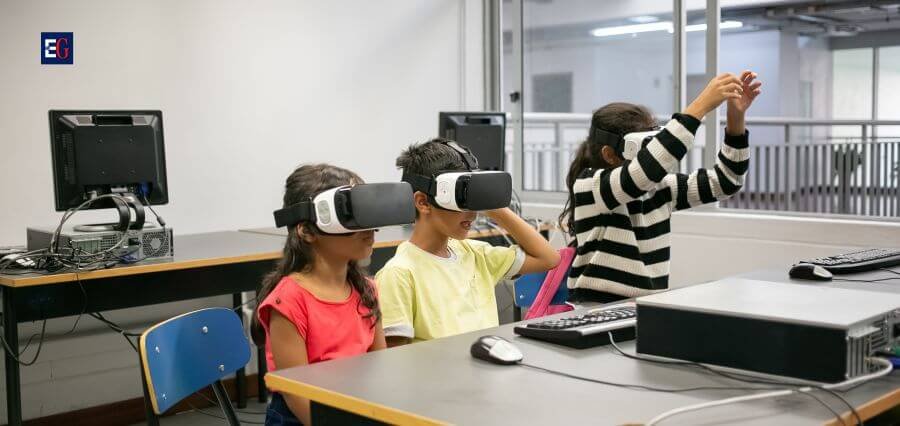
Multimedia content, educational applications, simulations, and gamified learning experiences help capture student attention and encourage participation. Interactive tools can make complex subjects easier to understand while creating a more immersive learning environment.
When students actively engage with educational content, they are often more likely to retain information and develop a deeper understanding of the material.
Improving Collaboration and Communication
Technology has transformed how students and educators communicate with one another. Digital platforms enable real-time collaboration regardless of physical location, making it easier for learners to work together on projects and share ideas.
Video conferencing tools, discussion forums, and collaborative workspaces support teamwork and knowledge sharing. These technologies also allow educators to provide feedback more efficiently and maintain stronger connections with students.
Improved communication creates a more supportive learning environment and helps ensure that students receive the guidance they need throughout their educational journey.
Preparing Students for the Digital Economy
The skills required in today’s workforce are changing rapidly. Employers increasingly seek candidates who are comfortable using digital tools, analyzing information, and adapting to new technologies.
Educational institutions play an important role in preparing students for these evolving workplace demands. By integrating technology into learning experiences, schools help students develop the digital literacy and technical skills needed for future careers.
This focus on practical skill development is a key reason transforming education through technology remains a priority for educators and policymakers worldwide.
Supporting Teachers and Educators
Technology is not only benefiting students; it is also helping educators perform their roles more effectively. Administrative tasks such as grading, attendance tracking, and lesson planning can often be streamlined through digital tools.
This allows teachers to spend more time focusing on instruction, mentoring, and student support. Educational technology can also provide valuable insights into student performance, helping educators identify areas where additional assistance may be needed.
When teachers have access to the right tools and resources, they are better equipped to create meaningful learning experiences for their students.
Encouraging Lifelong Learning
Learning no longer ends when students graduate from school or university. In today’s rapidly changing world, continuous education has become essential for career growth and personal development.
Technology has made lifelong learning more accessible than ever before. Professionals can enroll in online courses, attend virtual workshops, and access educational resources whenever they need to develop new skills.
This flexibility allows individuals to continue learning throughout their lives while balancing work, family, and other responsibilities. As industries continue to evolve, lifelong learning will remain an important part of career success.
Addressing Challenges and Ensuring Responsible Use
While technology offers numerous benefits, it also presents challenges that educators and institutions must address. Issues such as digital inequality, cybersecurity, data privacy, and excessive screen time require careful consideration.
Educational organizations must ensure that technology is implemented responsibly and that students have equitable access to digital resources. Providing proper training for educators and establishing clear policies can help maximize the benefits of technology while minimizing potential risks.
Responsible implementation is essential for creating a balanced and effective learning environment.
Conclusion
Technology is transforming education in ways that continue to expand opportunities for students and educators alike. From increasing accessibility and supporting personalized learning to enhancing engagement and preparing students for future careers, digital innovation is reshaping how education is delivered and experienced.
For those focused on transforming education through technology, the goal is not simply to replace traditional teaching methods with digital tools. Instead, it is about creating more effective, inclusive, and engaging learning experiences that prepare individuals for success in a rapidly evolving world. As technology continues to advance, its role in education will only become more significant, helping shape the future of learning for generations to come.