Prime Highlights :
- South Africa is focusing on youth employment and skills development at the Education World Forum.
- The country plans to promote AI, digital literacy and green economy training across educational institutions.
Key Facts :
- Education World Forum 2026 brings together education ministers and policymakers from more than 130 countries.
- South Africa aims to align education systems with future job market and technology requirements.
Background :
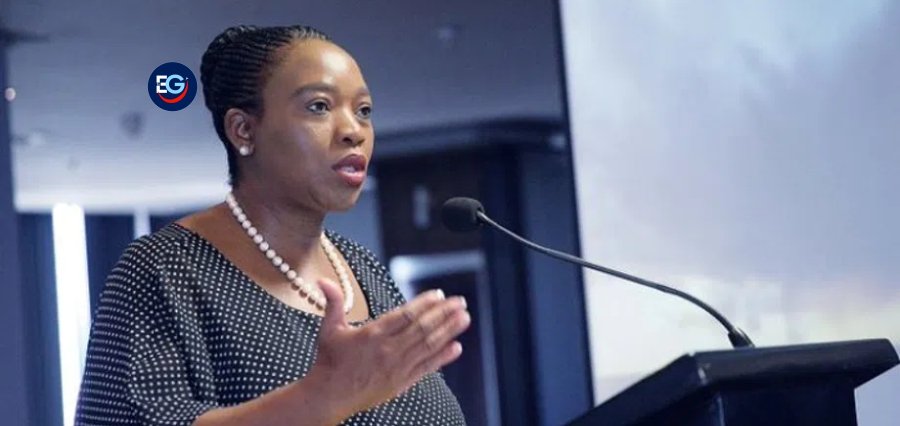
Nomusa Dube-Ncube is representing South Africa at the Education World Forum 2026 in London, where education leaders from more than 130 countries are discussing ways to address economic inequality, technology changes, climate challenges and social transformation through education.
South Africa is using the forum to highlight efforts aimed at reducing youth unemployment and improving skills development. Government officials said the country wants to build stronger links between education systems and the labour market needs to create work-ready graduates with technical and entrepreneurial skills.
The South African delegation is expected to showcase initiatives linked to the Fourth Industrial Revolution, including the integration of artificial intelligence, digital literacy, coding, green economy skills and entrepreneurship training across universities and vocational institutions.
The government also plans to highlight reforms related to student access and vocational education. Both the National Student Financial Aid Scheme and the Comprehensive Student Funding Approach play important roles in initiatives meant to address the educational inequity of disadvantaged learners.
As part of its overall economic inclusion approach, South Africa will also focus on fostering entrepreneurial and related skills in the area of clean energy industries. The officials are of the opinion that these new sectors, particularly in renewable energy and sustainability, will generate job opportunities in the future.
The representatives are expected to push for those issues that impact developing countries, such as funding for education, inclusive education systems, multilingual AI development, and minimizing educational disparities through international collaborations.